Lasiodorides striatus is a terrestrial tarantula from Peru. It may construct burrows or use an existing shelter as a retreat. Its contrasting leg markings and substantial adult size make it an interesting species for tarantula enthusiasts.
Behavior and Temperament: Generally described as relatively calm, although individuals can be skittish when disturbed. Like other New World tarantulas, it can flick urticating hairs as a defence. Avoid handling and take care during enclosure maintenance.
Habitat and Environment Needs: Provide a terrestrial enclosure with sufficient floor space, around 5–10 cm of substrate for burrowing, a secure hide and a shallow water dish. Maintain good ventilation and avoid waterlogged substrate.
Feeding: Feed appropriately sized live insects, including crickets, roaches and locusts. Adjust feeding frequency to the tarantula’s size and body condition, and remove uneaten prey, particularly before moulting.
Additional Information: Native to Peru, this species is also known as the Peruvian Orange Stripe or Stripeleg Tarantula. Females may reach approximately 15–17 cm in leg span, according to specialist care listings. Growth is generally described as slow to medium.
| Peruvian Orange Stripe Tarantula |
Lasiodorides striatus |
| Category : |
New World |
| Type : |
Terrestrial |
| Country of Origin : |
Peru |
| Adult Leg Span : |
15–17 cm (reported for adult females) |
| Growth speed : |
Slow to medium |
| Defense mechanism : |
Urticating hairs and defensive behaviour |
| Diet : |
Insects, crickets, roaches and locusts |
| Temperature : |
24–26°C (recommended warm-season range) |
| Relative Humidity : |
60–70% |
| Recommended Experience Level : |
Beginner to Intermediate |


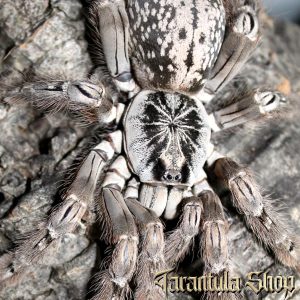 Togo Starburst Baboon - Heteroscodra maculata1 ×R120,00