0
No products in the cart.


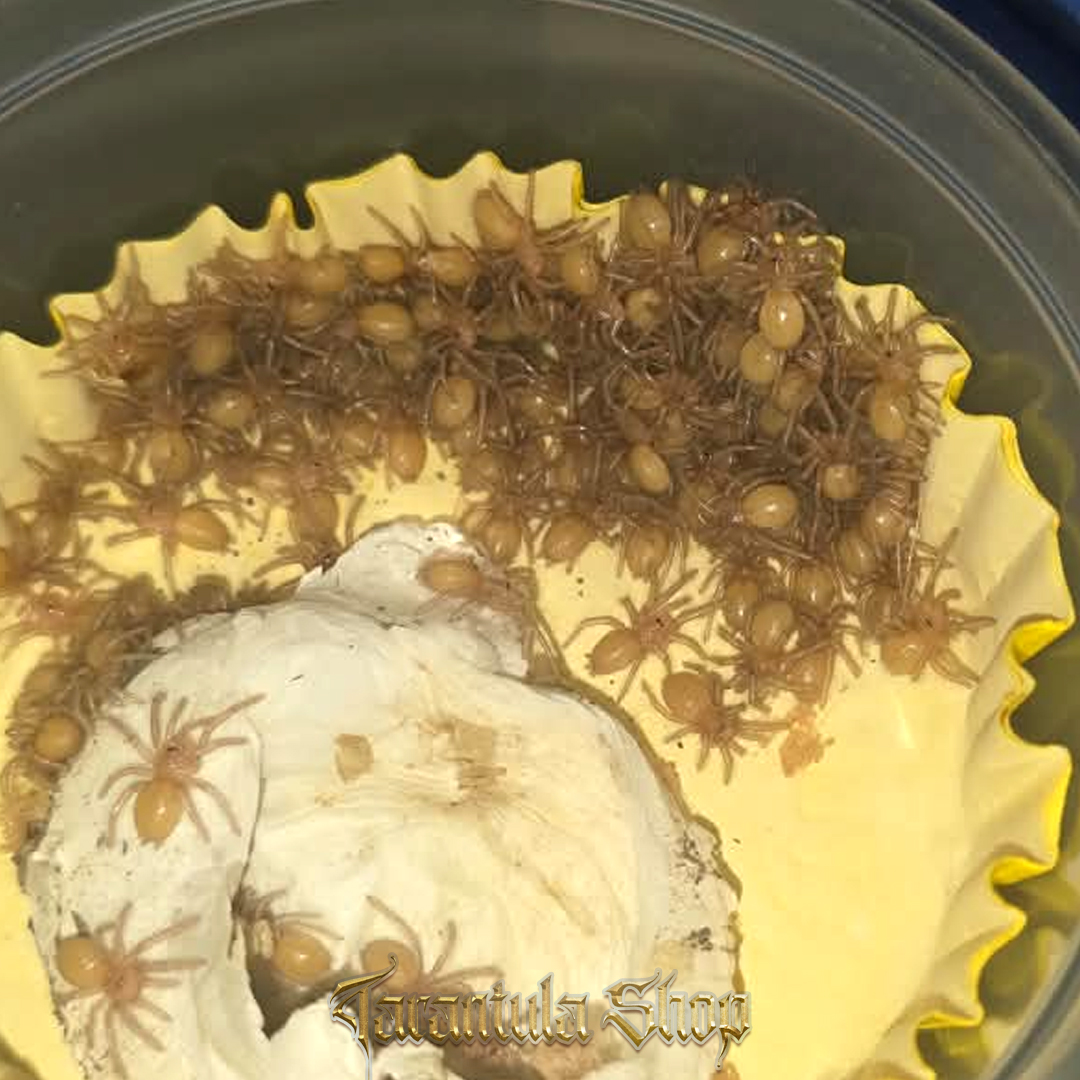
Initial Breeding Date : Initiated February 2026
Opening date of Egg sack : August 2026
Stage : Discovered healthy Eggs with Legs (EWL) / Post-Embryo development stage. Transferred safely to artificial incubator.
Temperature : 27°C
Relative Humidity : 75%
Breeding loan conditions : None.
Total slings : ~150 Spiderlings
Note :
1. Breeding Pair & Setup
2. Environmental Incubation Parameters
Throughout the gestation and post-laying periods, environmental conditions within the maternal enclosure were strictly managed to mirror optimal seasonal cues:
3. Timeline & Developmental Milestone
| Date / Timeline | Milestone | Developmental Phase / Actions Taken |
| February 2026 | Pairing | Male introduced into female environment; successful cohabitation verified. |
| July 2026 | Sac Production | Female successfully produced and dropped a healthy eggsac. |
| August 2026 (Day 35) | Sac Pull | Eggsac artificially removed from maternal enclosure and opened for clinical inspection. |
| August 2026 (Day 35) | Assessment | Discovered healthy Eggs with Legs (EWL) / Post-Embryo development stage. Transferred safely to artificial incubator. |
| September 2 2026 | Molt Achievement | Brood population successfully molted into First Instar (Nymph II) spiderlings. |
4. Brood Yield & Post-Pull Management
Following artificial separation on Day 35, the transition from post-embryo to first instar proceeded cleanly under climate-controlled incubator parameters. The brood exhibits high mobility, uniform coloration, and negligible mortality rates.
5. Enclosure Specifications & Cohabitation Dynamics
The female tolerated the male during the extended introduction period in February 2026 without exhibiting signs of territorial or maternal aggression. Substrate layer consisted of a moisture-retaining peat and coco-coir blend to safely maintain targeted microclimate metrics.